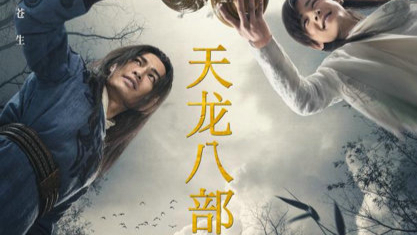
Demi-Gods and Semi-Devils
Overview
Demi-Gods and Semi-Devils is a renowned martial arts novel by the celebrated Chinese author Louis Cha Leung-yung, better known by his pen name Jin Yong. The novel is set during the Northern Song Dynasty (960-1127) and its neighboring states, including the Liao Dynasty (916-1125), Western Xia (1038-1227), and the Dali Kingdom. It follows three main characters whose destinies are intertwined with the complex political and cultural landscape of their era. It explores themes such as identity crisis, love, and chivalry while delving into the dualities of good and evil within human nature. The narrative weaves together rich historical backdrops with fictional adventures, creating a tapestry of intrigue and emotion that has captivated readers for decades.
Plot Summary
The story is divided into three principal plotlines, each focusing on a different protagonist:
-
Qiao Feng: The leader of the Beggar Clan, Qiao Feng is a formidable martial artist wrestling with his true identity. As he uncovers the secrets of his past, he finds himself caught between loyalty to his clan and the pursuit of personal truth. His journey is marked by tragedy, betrayal, and a quest for justice.
-
Duan Yu: The prince of Dali, Duan Yu is driven by love and adventure. Unlike the traditional martial hero, he is initially averse to violence and seeks to win the heart of the woman he loves. His path is a mixture of romantic escapades and reluctant heroism as he gains mastery over unique martial arts skills.
-
Xuzhu: A young monk from the Shaolin Temple, Xuzhu inadvertently becomes entangled in the affairs of the martial world. His story is one of innocence lost and maturity gained, as he learns to navigate the complexities of love and duty after encountering a mysterious princess with whom he finds an unexpected connection.
Themes and Motifs
Demi-Gods and Semi-Devils explores the concept of dualities found in human nature and society. It delves into the chivalrous spirit (xiayi) that defines traditional wuxia tales, highlighting the interplay of loyalty, honor, and personal growth. The novel also examines the fine line between good and evil, as characters grapple with their dark sides and moral dilemmas. Through its intricate narrative, the book paints a vivid picture of the human condition, emphasizing redemption, sacrifice, and the search for truth.
Adaptations
Over the years, Demi-Gods and Semi-Devils has been adapted multiple times for television and other media. The 1997 TV drama is especially notable, having left a lasting impact on audiences and contributed to the enduring popularity of Jin Yong's works. More recently, a new adaptation has been broadcast, introducing the epic tale to a contemporary audience. The novel's influence extends beyond literature, inspiring a variety of popular culture forms, including comics and video games.
Cultural Impact
Jin Yong's contribution to the wuxia genre is unparalleled, with Demi-Gods and Semi-Devils standing as a testament to his storytelling prowess. The novel has been translated into numerous languages and continues to be a significant cultural touchstone in Chinese-speaking communities worldwide. Its intricate portrayal of historical events and philosophical musings offers readers not only entertainment but also insights into Chinese culture and values. Article reference1. Farewell swordsman: Readers saddened by death of Chinese martial arts novelist Jin Yong. chinadaily.com.cn. 2018Photo Gallery(2 pictures)CategoriesLiteratureTagChinese Classical LiteratureClassics of Chinese StudiesRelatedWuxiaYi Jin JingCatalogue1. Overview2. Plot Summary3. Themes and Motifs4. Adaptations5. Cultural Impact- - - []








